


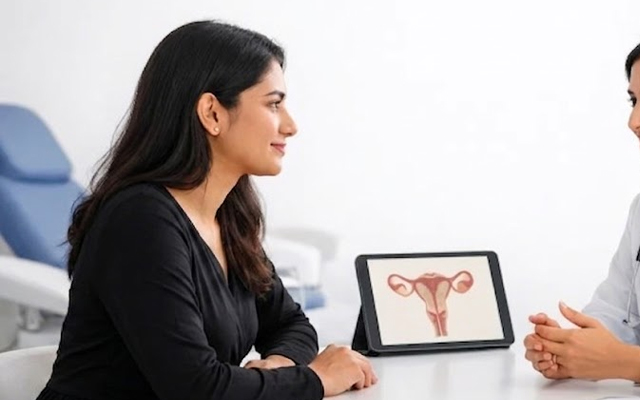
Planning a family isn’t always about “when you’re ready.” Sometimes, it’s also about when your body is ready.
If you’ve been wondering how age affects fertility, you’re not alone. More women today are choosing to delay pregnancy for career, lifestyle, or personal reasons—but understanding how fertility changes with age helps you make smarter decisions.
Consulting Dr Shivanjali Nayak, a trusted female infertility doctor in Newtown, early on can give you clarity, confidence, and the right direction for your fertility journey.
Why Age Plays a Key Role in Fertility
Let’s keep it real—fertility isn’t constant throughout life.
Women are born with a fixed number of eggs. Over time:
- The number of eggs (ovarian reserve) decreases
- The quality of eggs also declines
- Hormonal changes begin to affect ovulation
This is why age becomes one of the most important factors when planning a pregnancy.
Fertility After 30: The Subtle Shift Begins
Turning 30 doesn’t mean fertility suddenly drops—but small changes begin.
What happens after 30?
- Slight decline in egg quality
- Ovulation may become less regular
- Increased chances of conditions like PMOS or fibroids
What does this mean for you?
Most women in their early 30s can still conceive naturally. However, it may take longer compared to your 20s.
If you’re planning a pregnancy, don’t delay too much. Start tracking your cycle and consider basic fertility tests.
Fertility After 35: Noticeable Changes Begin
After 35, fertility decline becomes more noticeable.
Key changes after 35:
- Faster reduction in ovarian reserve
- Lower egg quality
- Increased risk of miscarriage
- Higher chances of chromosomal abnormalities
What should you watch out for?
- Difficulty conceiving after 6–12 months of trying
- Irregular periods
- Hormonal imbalances
Important: Doctors often recommend seeking help earlier if you’re above 35 and trying to conceive.
Fertility After 40: Time Becomes a Critical Factor
At 40 and beyond, fertility naturally becomes more challenging—but not impossible.
What changes after 40?
- Significant drop in egg quality
- Reduced chances of natural conception
- Increased pregnancy complications
- Higher risk of genetic conditions
What are your options?
- Assisted reproductive techniques (IVF, IUI)
- Egg freezing (if done earlier)
- Donor egg options in some cases
The key here is timely medical guidance and realistic planning.
Common Signs Your Fertility May Be Affected by Age
Sometimes, your body gives signals that shouldn’t be ignored:
- Irregular or missed periods
- Very heavy or very light cycles
- Difficulty conceiving after trying for months
- Hormonal symptoms like acne or weight gain
- Recurrent miscarriages
If you notice these, it’s time to consult a specialist.
Fertility Timeline at a Glance
| Age Group | Fertility Status | Key Consideration |
| 20–30 | High | Best time for natural conception |
| 30–35 | Slight decline | Plan ahead, monitor health |
| 35–40 | Moderate decline | Seek early medical advice |
| 40+ | Significant decline | Explore assisted options |
How to Support Fertility at Any Age
While age cannot be reversed, you can definitely support your reproductive health.
Simple steps that make a difference:
- Maintain a healthy weight
- Eat a balanced, nutrient-rich diet
- Avoid smoking and excessive alcohol intake
- Manage stress effectively
- Track ovulation cycles
- Get regular health checkups
Fertility is not just about age—it’s about overall health too.
Can You Preserve Your Fertility for the Future?
Let’s be honest—not everyone is ready for pregnancy in their 20s or early 30s. Careers, personal goals, or simply not finding the right time can delay plans. That’s where fertility preservation comes into the picture.
One of the most talked-about options today is egg freezing. This process allows women to store healthy eggs at a younger age, which can be used later when they are ready to conceive. Since egg quality declines with age, freezing eggs earlier can improve future pregnancy chances.
Another option includes embryo freezing, where fertilised eggs are stored for later use. This is often chosen by couples planning ahead.
But here’s the catch—fertility preservation works best when done at the right time, ideally before a significant decline begins.
If you’re unsure whether this is right for you, consulting a specialist can help you understand your current fertility status and future options.
Planning ahead isn’t being anxious— It’s about being prepared.
When Should You Consult a Doctor?
Here’s a simple rule:
- Under 35 → Try for 1 year, then consult
- Above 35 → Try for 6 months, then consult
- Above 40 → Seek guidance immediately
If you’re unsure where you stand, speaking with an expert helps you avoid unnecessary delays.
A consultation with Dr Shivanjali Nayak, an experienced female infertility doctor in Newtown, can help identify issues early and guide you with personalised solutions.
Modern Treatments That Improve Fertility Outcomes
Fertility care has come a long way. Depending on your condition, options may include:
- Ovulation induction – Helps regulate ovulation
- IUI (Intrauterine Insemination) – Improves chances of fertilisation
- IVF (In Vitro Fertilisation) – Advanced solution for complex cases
- Hormonal therapy – Corrects imbalances
- Laparoscopic procedures – Treats underlying conditions like endometriosis
The right treatment depends on your age, health, and fertility goals.
The Emotional Side of Age and Fertility
Fertility challenges can feel overwhelming—especially when age becomes a factor.
You may feel pressure, confusion, or even guilt.
But remember:
- You are not alone
- Help is available
- Solutions exist
The right support system and medical guidance can make this journey much smoother.
It’s Not About Fear, It’s About Awareness
Age affects fertility—but it doesn’t define your chances completely.
What matters more is:
✔️ Awareness
✔️ Timely action
✔️ Expert guidance
If you’re planning a pregnancy or facing difficulties, consulting Dr Shivanjali Nayak, a reliable female infertility doctor in Newtown, can help you understand your options clearly and take the right steps forward.
Contact the doctor today.
People Also Ask
- Can you get pregnant naturally after 35?
Yes, many women conceive naturally after 35. However, it may take longer, and monitoring your fertility becomes important.
- Is 40 too late to have a baby?
The most fertile years are typically between 20 and early 30s, but healthy pregnancies can happen later too.
- How can you check your fertility?
Basic tests like AMH, ultrasound, and hormone levels can help assess fertility status.
- Does egg quality decrease with age?
Yes, egg quality declines over time, especially after 35, which can affect conception and pregnancy outcomes.
- Can lifestyle changes improve fertility?
Yes, maintaining a healthy diet, weight, and stress levels can positively impact fertility.
- Does fertility drop suddenly after 35?
No, it’s not sudden, but the decline becomes faster after 35. Egg quality and quantity gradually reduce, making conception more challenging over time.
- Can you improve egg quality after 30 or 35?
You can’t completely reverse age-related decline, but a healthy lifestyle, proper nutrition, and medical guidance can help optimise egg health.
- How long should you try before seeing a fertility specialist?
If you’re under 35, try for a year. If you’re above 35, consult a specialist after 6 months of trying.
- Is IVF the only option after 40?
Not always. Some women conceive naturally or with simpler treatments, but IVF is often recommended to improve chances.
- Do regular periods mean you are fertile?
Not necessarily. Regular cycles indicate ovulation, but egg quality and other factors still play a crucial role in fertility. - Is it harder to get pregnant after 30, even if you are healthy?
Yes, even with good health, fertility naturally starts declining after 30 due to changes in egg quality and quantity.