



The phrase high-risk pregnancy has a way of sounding dramatic. Like someone just added flashing warning lights to your pregnancy file. But, in reality, many high-risk pregnancies progress smoothly when daily habits are working in your favour.
Doctors often say pregnancy care is like managing a long road trip. Medical care handles the engine. But diet, sleep, hydration, and routine? That’s the fuel, the tyres, and the navigation system.
As per Dr Shivanjali Nayak, a high-risk pregnancy doctor in Newtown, small daily habits—what you eat, when you rest, how you move—quietly shape outcomes far more than one-time efforts.
Let’s understand this in a way that actually feels practical.
Why lifestyle plays a powerful role in high-risk pregnancy outcomes
Your body during pregnancy is multitasking at a high level—circulation changes, hormones fluctuate, and an entirely new human is under construction.
Food stabilises energy, routine stabilises hormones, and rest stabilises everything else.
Ignoring lifestyle is like trying to build something great but with no schedule. Things get messy fast.
The balance between medical supervision and self-care is the foundation of a sustainable high-risk pregnancy plan.
What makes a pregnancy “high-risk”?
High-risk doesn’t mean danger is guaranteed. It simply means doctors prefer to watch things more closely.
Common medical conditions linked to high-risk pregnancy
Some common reasons include:
- Gestational diabetes
- Hypertension
- Thyroid disorders
- Previous pregnancy complications
- Multiple pregnancy
- Advanced maternal age
These conditions don’t mean something will go wrong. They just mean planning becomes more important than improvising.
The core goals of diet and routine in high-risk pregnancy
It's important to keep a check on these factors while undergoing a high-risk pregnancy.
Stabilising maternal health
Stable blood sugar and blood pressure reduce surprises—and surprises are the last thing anyone wants in pregnancy.
Supporting the baby’s development
Growth needs fuel, and babies, as it turns out, are very serious about their nutrition supply chain.
Preventing complications and hospitalisation
Consistency beats extremes every time. So, ensure that whatever you do, you follow your pregnancy routine and diet plan religiously.
High-risk pregnancy diet: What your body truly needs

Forget fancy superfoods. Your body isn’t looking for rare berries flown in from another continent. It’s looking for balance.
Protein-rich foods for fetal growth and tissue repair
Protein is the construction material of growth, making protein intake during high-risk pregnancy essential.
Helpful foods:
- Eggs
- Dairy
- Pulses
- Lean meat
- Nuts and seeds
Iron and folate foods for preventing anaemia
Iron helps oxygen travel where it’s needed. Folate supports development.
Sources include:
- Green leafy vegetables
- Lentils
- Dates
- Beetroot
- Fortified grains
Calcium and vitamin D for bone development
Bones are being built daily—both yours and your baby’s. So, proper nourishment is non-negotiable.
Sources:
- Milk and paneer
- Curd
- Almonds
- Sunlight exposure
Fibre and hydration for digestion and swelling control
Digestion slows in pregnancy. Fibre and fluids keep things moving.
Examples:
- Fruits
- Whole grains
- Coconut water
- Vegetable soups
The importance of hydration during high-risk pregnancy cannot be overstated. Water does far more than quench thirst—it supports circulation and amniotic fluid balance.
Foods commonly restricted in high-risk pregnancy
Certain foods don’t go well with pregnancy. Steer clear of the items mentioned in this list.
- High sugar processed foods- These spike blood sugar quickly.
- Excess salt intake- This may worsen blood pressure.
- Unpasteurised dairy or raw foods- These increase infection risk.
- Caffeine and packaged beverages- These may affect hydration and sleep.
Understanding what to avoid in a high-risk pregnancy diet helps prevent unnecessary complications. Consult Dr Shivanjali Nayak, a high-risk pregnancy doctor in Newtown, for expert guidance.
Diet modifications for specific high-risk conditions
Here are some dietary guidelines that you can keep in mind while navigating your high-risk pregnancy journey.
Diet tips for gestational diabetes
Managing sugar levels is the focus of a gestational diabetes pregnancy diet.
Helpful tips:
- Small frequent meals
- Low glycaemic index foods
- Controlled carbohydrate portions
Diet tips for high blood pressure during pregnancy
A high blood pressure pregnancy diet focuses on balance.
Tips:
- Reduced sodium intake
- Potassium-rich foods
- Adequate hydration
Diet tips for low birth weight risk
Growth depends heavily on consistent nutrition.
Helpful strategies:
- High protein snacks
- Frequent calorie-balanced meals
- Supplement guidance
Schedule a consultation with Dr Shivanjali Nayak, a high-risk pregnancy doctor in Newtown, for expert guidance.
A practical daily routine that supports a high-risk pregnancy
Routine sounds boring. But during pregnancy, boredom can actually make a difference.
Morning routine habits that stabilise pregnancy health
Starting the day gently helps the body settle into rhythm.
- Light stretching
- Balanced breakfast
- Medication and supplement timing
Safe physical activity in high-risk pregnancy
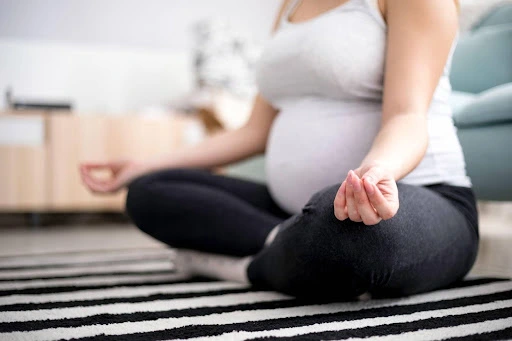
Movement improves circulation and mood. Always seek medical clearance before starting any exercise in a high-risk pregnancy.
Examples:
- Gentle walking
- Prenatal yoga
- Breathing exercises
Rest and sleep positioning for better circulation
Rest is not laziness. It’s maintenance for your and your baby’s well-being.
Tips:
- Sleeping on your left side
- Leg elevation
- Consistent sleep schedule
Warning: Lifestyle mistakes that increase complications
Some habits look harmless but create trouble. Here’s a list of mistakes that you must avoid making to manage your high-risk pregnancy.
- Skipping meals- Blood sugar crashes are not helpful during pregnancy.
- Self-restricting diet based on internet myths- Online pregnancy advice is often written for the general population, not high-risk cases.
- Complete inactivity without medical advice- Understanding bed rest vs activity in high-risk pregnancy is essential.
- Ignoring weight monitoring- Weight changes often tell an early story. If you notice anything unusual, consult the doctor immediately.
Sample daily high-risk pregnancy routine
| Time | Routine Suggestion |
| Morning | Warm hydration + light stretching |
| Breakfast | Protein + fibre balanced meal |
| Mid-morning | Fruit + nuts snack |
| Afternoon | Rest + light activity |
| Evening | Walk or prenatal exercise |
| Night | Early dinner + left-side sleep |
When diet and routine alone are not enough
Sometimes the body signals that it needs attention sooner.
Signs medical review is urgently needed
- Reduced fetal movement
- Sudden swelling
- Severe headaches
- Blood sugar fluctuations
- High BP symptoms
Ignoring these signs is never a good idea.
Emotional wellness and stress management during high-risk pregnancy
Pregnancy is emotional terrain, and a high-risk pregnancy adds another layer.
Why stress hormones affect pregnancy
Stress affects sleep, appetite, and blood pressure—all of which influence pregnancy health.
Relaxation techniques that support maternal health
- Deep breathing
- Gentle music
- Guided relaxation
Family and partner support role
Support reduces anxiety and improves outcomes more than most people realise.
Small daily habits can protect both mother and baby
Pregnancy is a long journey. High-risk simply means you travel with better maps, better planning, and a closer eye on the road.
Guidance from Dr Shivanjali Nayak, a high-risk pregnancy doctor in Newtown, helps mothers personalise their diet, routine, and monitoring so pregnancy feels manageable—not overwhelming.
Book your consultation today.
People Also Ask
1. What should I eat during a high-risk pregnancy?
A balanced diet rich in protein, iron, calcium, and fibre helps support both mother and baby. Meals should be regular, simple, and personalised for medical conditions like diabetes or hypertension.
2. Is bed rest necessary in every high-risk pregnancy?
Not always. Many women benefit from light movement and routine activities unless a doctor specifically advises bed rest based on medical reports.
3. How often should I eat in a high-risk pregnancy?
Small, frequent meals every 2–3 hours help maintain stable energy levels and prevent sudden blood sugar fluctuations, especially in gestational diabetes.
4. Can daily routine really affect pregnancy outcomes?
Yes. Regular sleep, hydration, light activity, and consistent meals help stabilise blood pressure, sugar levels, and overall maternal health.
5. When should I consult a doctor urgently during a high-risk pregnancy?
Reduced baby movements, severe headaches, sudden swelling, or unusual pain should never be ignored and require immediate medical attention.