


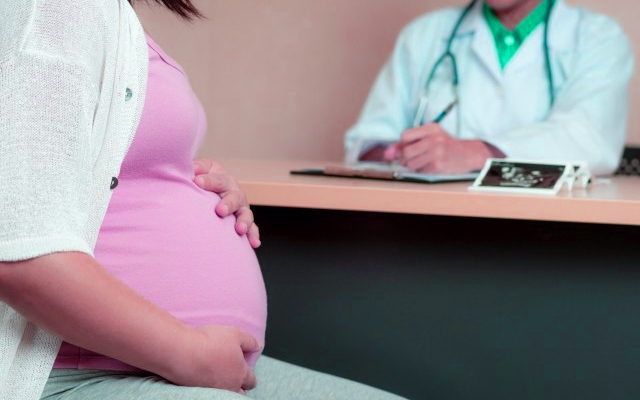
When it comes to childbirth, almost every expecting mother has that one big question:
“Will it be a normal delivery or a C-section?”
Somewhere in between all the advice from Google, relatives, and random WhatsApp groups… things get confusing real quick.
If you're exploring painless normal delivery, here’s the truth—the decision is not about preference, it’s about safety. Once you understand how doctors actually decide, everything starts to make sense.
Dr Shivanjali Nayak, an expert in painless normal delivery in Kolkata, offers her expert insights.
Why the delivery method is not just a personal choice
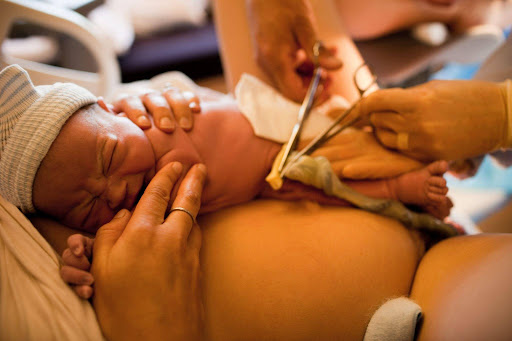
Doctors follow a safety-first approach, always prioritising:
- Mother’s health
- Baby’s well-being
- Labour progression
Even if you want a normal delivery, the body and the baby sometimes have other plans.
Yes, painless delivery supports normal labour, but it does not override medical decisions. It helps the journey—it doesn’t control the outcome.
Understanding painless normal delivery
What painless normal delivery actually means
A painless normal delivery usually involves an epidural, which is a type of pain relief given through the lower back. It helps reduce labour pain while keeping you awake and aware.
How an epidural helps manage labour pain
- Reduces pain intensity significantly
- Helps you stay calm and focused
- Allows better breathing and controlled pushing
- Makes long labour more manageable
Benefits of painless normal delivery
Let’s talk perks (because yes, there are many):
- Faster recovery
- Lower infection risk compared to surgery
- Early bonding and breastfeeding
- Shorter hospital stay
- Less post-delivery discomfort
For expert-guided painless normal delivery in Kolkata, consult Dr Shivanjali Nayak.
Understanding C-section delivery
What happens during a cesarean delivery
A C-section is a surgical procedure where the baby is delivered through an incision in the abdomen and uterus.
Here’s a simplified flow:
- Anaesthesia is given
- A surgical incision is made
- The baby is delivered safely
- The placenta is removed
- Incision is closed
Situations where a C-section is planned beforehand
Some pregnancies already indicate a planned C-section:
- Placenta covering the cervix (placenta previa)
- Baby in breech (not head-down) position
- Twin or multiple pregnancies
- Previous uterine surgery or multiple C-sections
In these cases, surgery is not a choice—it’s the safest route.
The real factors doctors evaluate before deciding delivery method
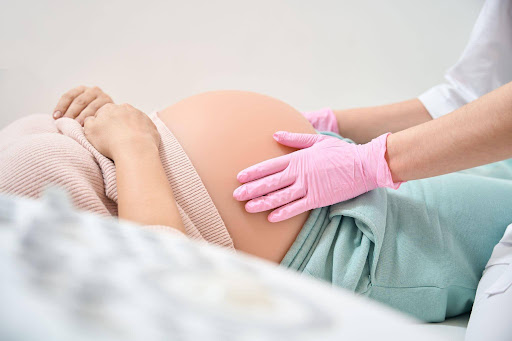
This is where things get serious—and super important.
Mother’s medical condition
Doctors carefully assess:
- High blood pressure
- Gestational diabetes
- Heart or thyroid disorders
Labour can stress the body, and not every condition supports it.
Baby’s health and positioning
Your baby also gets a full “health check”:
- Fetal distress signals
- Abnormal heart rate
- Growth issues
- Umbilical cord complications
If the baby is not comfortable, doctors act fast.
Labour progress and complications
Even if everything looks perfect initially, labour itself can change things:
- Labour not progressing
- Cervix not dilating
- Baby not descending
- Obstructed labour
That’s when plans shift—from normal delivery to emergency C-section.
Previous pregnancy and surgical history
History matters more than you think:
- Previous C-section
- Condition of the uterine scar
- Past complications
Doctors don’t take risks when it comes to repeat pregnancies.
Can a painless normal delivery reduce C-section chances?
How pain management improves labour progress
When pain is controlled:
- You relax better
- Hormonal balance improves
- Labour becomes more efficient
This can increase the chances of a normal delivery.
Situations where an epidural may still not avoid surgery
Even with an epidural:
- The baby may show distress
- Labour may stall
- Emergency complications may arise
So yes, it helps—but it’s not a guarantee.
Why safety overrides delivery preference
At the end of the day:
A safe delivery matters more than the method.
Doctors will always choose what keeps both mother and baby protected.
Recovery comparison: Normal delivery vs C-section
Here’s a quick reality check:
| Factor | Painless Normal Delivery | C-Section |
| Hospital Stay | Shorter | Longer |
| Mobility Recovery | Faster | Slower |
| Post-delivery Pain | Mild | Surgical discomfort |
| Future Pregnancy Impact | Minimal | Needs monitoring |
Common myths about painless delivery and C-section
An epidural always leads to surgery
Nope. This is one of the biggest myths. Epidural does not automatically cause C-sections.
Normal delivery is always safer
Not always. In complicated cases, C-section is actually safer.
C-section is an easier option
It’s surgery. Recovery is longer and involves more care.
Labour pain must be tolerated for safe delivery
Absolutely not. Pain relief exists for a reason—and it’s safe when guided properly.
When an emergency C-section becomes necessary
Even in a planned normal delivery, emergencies can happen:
- Sudden fetal distress
- Placental complications
- Labour complications
- Cord prolapse
And in those moments, speed matters more than preference.
Who is usually eligible for a painless normal delivery?
Low-risk pregnancy conditions
No major complications = higher chances.
Stable maternal vitals
Healthy blood pressure, sugar levels, and overall condition.
Healthy fetal monitoring patterns
Baby’s heart rate and movement should be normal.
Labour progression suitability
Body responding well to labour.
How mothers can improve the chances of a normal delivery
Want to tilt the odds in your favour? Start here:
Antenatal fitness and exercise
Light walking, prenatal yoga, and guided exercises help.
Balanced pregnancy diet
Iron, protein, calcium—your body needs fuel.
Weight management
Excess weight can complicate labour.
Regular prenatal monitoring
Tracking changes early helps avoid surprises later.
Emotional decision-making and birth planning
Importance of flexible birth plans
Plan—but don’t fixate because childbirth rarely follows a pre-determined plan.
Communicating expectations with the doctor
Be clear about your preferences—but trust your doctor’s judgement.
Reducing fear around emergency decisions
Sometimes, switching to C-section is not failure—it’s protection.
Safe delivery is always the best delivery
There’s no “better” method, only the safer one for your situation.
Understanding painless normal delivery vs C-section is not about choosing sides. It’s about trusting the process, your body, and your doctor.
If you are considering painless normal delivery in Newtown, Dr Shivanjali Nayak offers expert guidance, advanced monitoring, and personalised care to support your journey—whether it leads to a normal delivery or a C-section.
At the end of the day, a healthy mother and a healthy baby—that’s the real success story.
Frequently Asked Questions
- Is a painless normal delivery completely pain-free?
It does not remove all sensations but reduces pain to a manageable level. You stay alert and comfortable throughout labour.
- Can I request painless delivery?
Yes, you can discuss it with your doctor in advance. Eligibility depends on your pregnancy condition and labour progress.
- Is an epidural safe for the mother and baby?
An epidural is considered safe when given by trained specialists. Both mother and baby are continuously monitored during labour.
- Can I have a normal delivery after a previous C-section?
In some cases, vaginal birth after C-section (VBAC) is possible. Your doctor will assess scar strength and overall safety before deciding.
- Does painless delivery slow labour?
It may slightly slow labour in some cases, but it often helps better control. The overall outcome depends on how labour progresses naturally.
- When is a C-section considered necessary?
A C-section is needed when there is a risk to the mother or baby, like fetal distress or labour complications. It is done to ensure a safe delivery outcome.
- Who is eligible for painless normal delivery?
Women with low-risk pregnancies and stable health conditions are usually eligible. The final decision depends on the doctor's evaluation during labour.
- Can painless delivery reduce the chances of a C-section?
It can help improve relaxation and labour progress, which may reduce the chances. However, it cannot prevent a C-section if complications arise.