


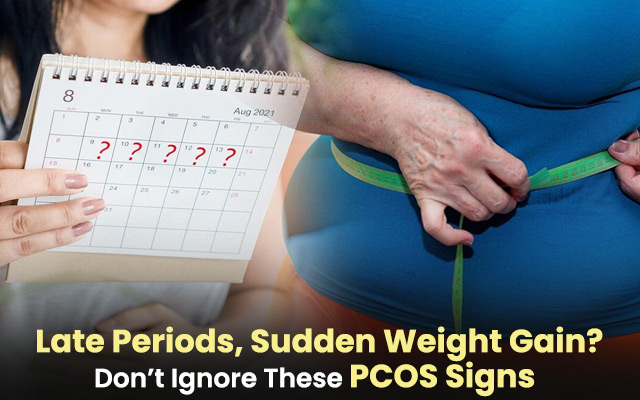
First, your periods were already two weeks late. Then came the sudden weight gain, without any change in your diet or daily routine. At first, it was easy to blame stress or a busy lifestyle. But when clothes started feeling tighter and your energy levels dropped, it became clear something was wrong. The cause? Polycystic Ovary Syndrome (PCOS) is a common hormonal disorder affecting many women today.
Dr. Shivanjali Nayak, a female gynecologist in Kolkata, offers advanced treatments for PCOS and hormonal disorders.
This blog explores what PCOS is and its causes. It also covers the PCOS signs and their impact on weight, menstrual cycles, and health.
What is Polycystic Ovary Syndrome?
Polycystic Ovary Syndrome (PCOS) is a common hormonal disorder where the ovaries produce excess androgens, which are male hormones present in women in smaller amounts. This imbalance disrupts ovulation, often causing anovulation (no egg release) and irregular menstrual cycles. The name “polycystic” comes from the small, fluid-filled sacs sometimes seen in the ovaries during an ultrasound.
Key Symptoms of PCOS

Irregular menstrual cycles or missed period
One of the most common signs of PCOS is irregular periods. The menstrual cycle takes between 21 and 35 days. Some months, you might skip your period. These changes happen because PCOS affects ovulation. Without regular ovulation, the menstrual cycle becomes unpredictable.
Androgen excess causes acne or excessive facial hair (Hirsutism)
PCOS can cause higher levels of androgens, also known as male hormones. This hormonal change can lead to acne that is hard to treat. It may also cause excessive facial or body hair growth, known as hirsutism. Some women notice thinning hair on the scalp as well.
Weight gain in women, especially around the abdomen
Many women with PCOS experience weight gain that is hard to control. This often happens around the abdomen or waist area. Hormonal imbalance and insulin resistance make the body store more fat. Even with a healthy diet and exercise, losing weight can be challenging.
Increased risk of female infertility and metabolic syndrome
PCOS can make it harder for women to conceive. Irregular ovulation reduces the chances of pregnancy. The condition also increases the risk of metabolic syndrome. This includes health issues like high blood pressure, high blood sugar, and abnormal cholesterol levels.
Enlarged ovaries with cysts
In PCOS, the ovaries become enlarged and contain small fluid-filled sacs called cysts. These cysts are immature eggs that have not been released during ovulation.
Male pattern baldness
Hair loss often starts at the crown or along the hairline. Some women with PCOS experience hair thinning on the scalp. This happens due to high levels of androgens, which weaken hair follicles over time.
Skin tags and dark patches
Women with PCOS may develop small, soft skin growths called skin tags. These are linked to insulin resistance. Some may also notice dark, velvety skin patches, a condition called acanthosis nigricans, usually appearing on the neck, armpits, or inner thighs.
What causes PCOS?
Hormonal Imbalance
In PCOS, hormonal changes disrupt normal ovulation and affect reproductive health.
- Low progesterone leads to irregular or completely missed periods.
- Insulin resistance increases androgen production and makes PCOS symptoms worse.
- Hormone fluctuation affects mood, weight, and the regularity of the menstrual cycle.
Insulin Resistance
In PCOS, the body’s cells don’t respond well to insulin, causing hormonal changes.
- High insulin levels push the ovaries to produce more androgens.
- More androgens worsen PCOS symptoms like acne and unwanted hair growth.
- Weight connection often leads to increased fat storage, especially around the abdomen.
Genetic factors
Family history can play a strong role in the development of PCOS.
- Women with a family history of PCOS are more likely to develop the condition.
- A history of menstrual problems in young women within the family increases the risk.
- Certain genetic traits may influence hormone regulation and ovarian function.
Inflammation
Mild inflammation in the body can contribute to PCOS development.
- The body produces substances that promote inflammation.
- This inflammation can interfere with normal ovarian function.
- It affects hormone production, leading to menstrual irregularities.
PCOS Signs

Irregular periods
PCOS disrupts ovulation, making menstrual cycles unpredictable. Some women have fewer than eight periods a year. Others might skip periods for months at a time. This can lead to fertility challenges if left untreated.
Acne
Hormonal imbalance, one of the common PCOS signs, increases oil production in the skin. This can cause persistent acne on the face, chest, and back. PCOS-related acne often doesn’t improve with regular skincare routines.
Excessive facial hair
High levels of androgens stimulate unwanted hair growth. Hair often appears on the chin, upper lip, chest, or stomach. This condition, called hirsutism, affects confidence and self-esteem. It is a visible sign of hormonal imbalance.
Obesity
Many women with PCOS signs gain weight. The gain is often concentrated around the abdomen. Insulin resistance makes losing weight more difficult.
This can further aggravate other PCOS symptoms and long-term health risks.
Struggling with weight changes and irregular cycles? Get a personalised plan from Dr. Shivanjali Nayak, the trusted female gynecologist in Kolkata.
Can PCOS cause weight gain with no period?
Yes, PCOS can cause weight gain. One of the most common PCOS signs is insulin resistance, which makes it harder for the body to use glucose. This leads to fat storage, particularly around the abdomen. Another key sign is irregular or missed periods due to anovulation. When ovulation stops, hormonal shifts can lead to weight gain. This can happen even without significant lifestyle changes.
Other PCOS signs include persistent acne, excess hair growth, hair thinning on the scalp, and dark skin patches. These often appear alongside weight-related changes.
Maintaining a healthy weight can help manage symptoms of PCOS and improve health. Lifestyle changes can help regulate periods. These include eating a balanced diet, exercising and managing stress. It supports hormonal balance and reduces symptoms like oily skin and mood swings.
Is rapid weight gain a symptom of PCOS?
PCOS can cause rapid weight gain. Hormonal changes and insulin resistance make the body store more fat. This weight gain can happen even if you eat healthy and stay active. It may also make other PCOS symptoms worse. If you notice sudden weight changes, it’s best to see a doctor.
Why does this happen?
1.High insulin levels trigger more androgen excess, disrupting metabolism.
2.Metabolic syndrome develops, increasing the risk for type 2 diabetes.
3.Hormonal imbalance impacts appetite control and fat distribution.
How long can PCOS delay your period?
PCOS can delay periods for several weeks or even months. In some cases, women have only six to eight cycles a year.
Factors influencing :
- Severity of hormonal imbalance
- Level of insulin resistance
- Lifestyle and stress levels
Ways to manage PCOS for better health
Managing PCOS is about balancing lifestyle choices, medical care, and long-term health planning.
Common management approaches:
- Lifestyle intervention: Balanced diet, regular exercise, stress reduction.
- Medical treatment: Hormonal birth control, insulin-sensitising drugs.
- Fertility-focused therapy: For women trying to conceive.
Taking charge of your health with the right PCOS Care
PCOS is a long-term condition. But it doesn’t have to control your life. Recognising the symptoms early is the first step. Seeking timely medical help can regulate your cycles and improve fertility. It can also protect your long-term health. Lifestyle changes and expert treatment work best together. They can make a real difference in how you feel every day.
Start your journey to better hormonal health
Don’t let PCOS symptoms disrupt your life. Dr. Shivanjali Nayak, a female gynecologist in Kolkata, offers advanced, compassionate care for women dealing with hormonal imbalance, irregular menstrual cycles, and fertility issues. Call now to book an appointment and take the first step towards women’s reproductive health.