


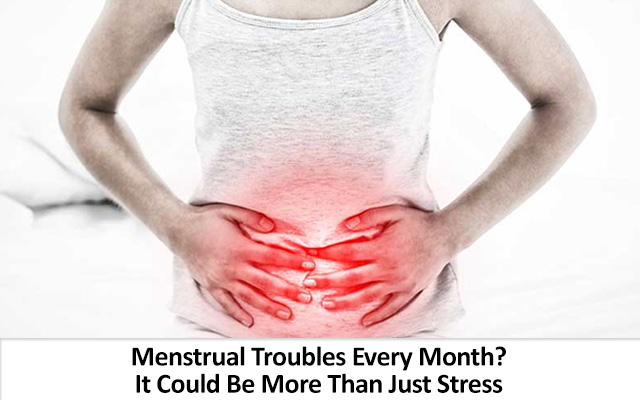
Every month, many women experience menstrual discomforts whether it is cramps, mood swings or fatigue. For some it may feel like just another part of the cycle . But what if it is more than just stress or the usual? What if these symptoms are a sign of something deeper?
Here is everything you should know about menstrual troubles and the root cause for the same.
Is your menstrual cycle trying to tell you something more?
For most women, menstruation is a natural part of life, but when discomfort turns into regular distress, it might be a sign of underlying health issues. Stress, hormonal imbalances or conditions like endometriosis and polycystic ovary syndrome (PCOS) could be contributing to the severity of menstrual symptoms.
That is why it is important to pay attention to any changes in the pattern, intensity or duration of menstrual symptoms. Ongoing pain, irregular periods or excessive bleeding should not be ignored as they may point to conditions that require medical attention. Early diagnosis and proper care can help manage these issues effectively and improve overall well-being.

Is it just your period or something more concerning?
Menstrual discomfort is often seen as a normal part of life, but when pain becomes intense enough to disrupt daily routines or when cycles become unusually heavy or unpredictable it may signal a deeper issue. Such as:
- Severe cramps that affect daily activities
Heavy or irregular bleeding
- Chronic fatigue or mood swings
- Painful intercourse
These signs if left unaddressed or ignored could gradually lead to more serious health complications. And it may impact not just reproductive health but also overall physical and emotional well-being.
Can a period be induced by stress?
Stress can impact the hormonal system that controls the menstrual cycle. Though it doesn’t usually trigger a period, it may cause delays, missed cycles or breakthrough bleeding. This can result in spotting, early periods, or noticeable changes in flow, duration, colour, or cramping patterns.
When it is more than just stress or fatigue
It is often assumed that stress, poor diet, or fatigue are behind painful periods or mood swings. While these factors can influence menstrual health, they are not always the root cause. Hormonal conditions like PCOS or thyroid imbalances are often first noticed through irregular cycles or mood changes. In the same way fibroids and endometriosis may develop unnoticed with symptoms emerging only when they start impacting daily life.
That is why it is important to look beyond surface level causes and take recurring symptoms seriously. Early medical evaluation can help identify the real issue enabling timely treatment and better long-term health outcomes.
Underlying health issues behind irregular periods
PCOS (Polycystic Ovary Syndrome)
It is a common hormonal condition that affects millions of women during their reproductive years. It often leads to irregular periods, acne, weight gain and challenges with fertility. It is often not diagnosed because many women accept missed periods or fatigue as normal signs.
Endometriosis
It occurs when the tissue that normally lines the uterus starts growing outside of it. This condition can lead to intense pelvic cramps, lower back pain, and in some cases infertility. And is often mistaken for severe period pain, endometriosis is a chronic condition that requires proper medical diagnosis and care.
Fibroids
They are benign tumours that grow in or around the uterus. While they often develop without obvious signs, they can cause heavy bleeding, longer periods and discomfort. Many women remain unaware they have fibroids until symptoms begin interfering with their daily activities or fertility.
Thyroid disorders
It occurs when the thyroid gland becomes underactive (hypothyroidism) or overactive (hyperthyroidism), disrupting the body’s hormone balance and metabolism. These conditions can lead to symptoms such as irregular periods, fatigue, mood swings, and unexpected weight changes. Often, the signs are subtle and mistaken for stress or routine hormonal shifts, making early detection and proper diagnosis essential.
PMDD (Premenstrual Dysphoric Disorder)
It is a severe form of premenstrual syndrome that affects emotional and mental well-being in the days leading up to menstruation. It can cause intense mood swings, irritability, anxiety, and depression that interfere with daily life.

Are your period problems affecting your daily life?
If painful periods, heavy bleeding or mood swings are making it hard to get through your day, it is not something to ignore. These issues can affect work, relationships and even mental health yet many women still try to push through, thinking that it is just a part of life.
When these symptoms become a regular pattern, they could be signs of conditions like PCOS, endometriosis, thyroid disorders, or other hormonal imbalances. Early diagnosis not only helps manage these conditions effectively but also prevents them from impacting fertility, energy levels, and emotional health.
How long can stress delay a period?
Stress can delay a period by several days, weeks, or even months in more severe cases. When the body is under high or prolonged stress, it can disrupt the hormonal signals from the brain that control the menstrual cycle. This may lead to late ovulation, missed periods, or irregular cycles altogether. If a period is delayed for more than a few weeks and pregnancy is ruled out, it is advisable to consult a healthcare provider to identify the cause and restore hormonal balance.
What causes an early period?
An early period can be triggered by several factors, most commonly hormonal fluctuations, stress, certain medications, or underlying medical conditions. These disruptions can affect the regular rhythm of the menstrual cycle, causing bleeding to occur sooner than expected. If early periods happen frequently or are accompanied by other unusual symptoms, it may be a sign that the body’s hormonal balance needs evaluation by a gynaecologist.
How much period pain is actually normal?
It is common to experience some level of discomfort during menstruation cramps, lower back pain or general fatigue. These symptoms are usually caused by the natural contractions of the uterus and often ease with rest or basic pain relief. However when period pain becomes intense and lasts longer than usual or interferes with daily activities, it could be a sign of an underlying condition. Severe or persistent pain is not something to ignore as it may indicate issues like endometriosis, fibroids or pelvic inflammatory disease.
Conclusion
Menstrual health is a vital part of overall well-being, and persistent pain, irregularity, or emotional distress should never be ignored. These symptoms may point to underlying conditions that need timely medical attention. If the menstrual cycle feels off or starts affecting daily life, it is important to seek guidance from a trusted healthcare expert.
For those experiencing ongoing menstrual concerns, consulting an expert like Dr. Shivanjali Nayak, a leading female gynecologist in Kolkata, can make a real difference. With her in-depth knowledge of hormonal and reproductive health Dr. Shivanjali Nayak provides targeted solutions for women facing monthly menstrual distress. Her patient-first approach ensures every concern is taken seriously.